Loading...
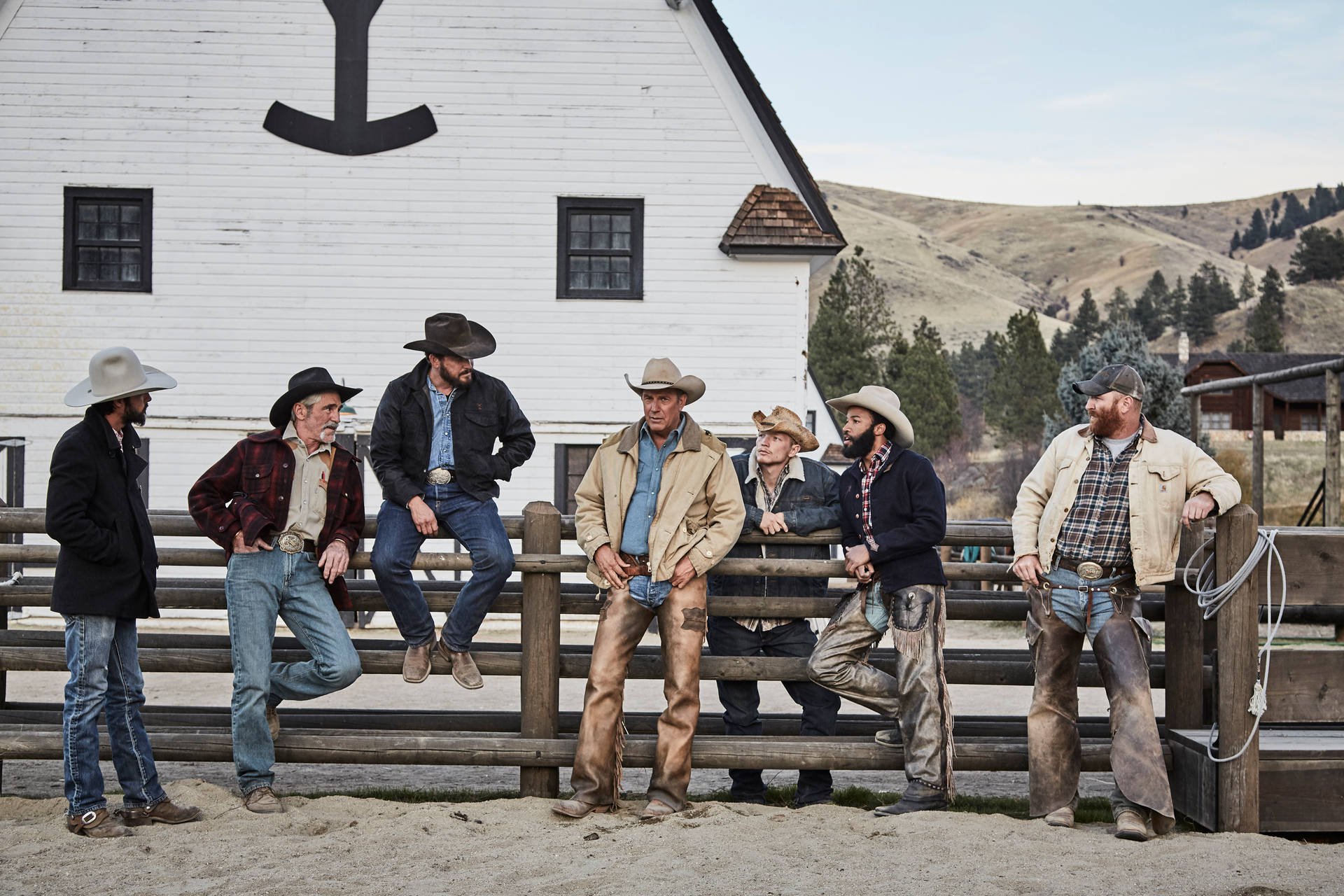
Taylor Sheridan’s Yellowstone is a neo-Western drama that intricately explores themes of power, legacy, and morality through the conflicts surrounding the Dutton family’s vast Montana ranch. Since its premiere in 2018, the series has captivated audiences with its blend of high-stakes drama, rugged cinematography, and complex character dynamics. However, beneath its compelling storytelling and striking visuals, Yellowstone presents a layered critique of American values, land ownership, and the blurred lines between heroism and villainy.
At the heart of the series is John Dutton (Kevin Costner), a patriarch whose iron grip on his ranch reflects a broader struggle between tradition and progress. Dutton’s relentless pursuit to maintain his family's land at any cost is both admirable and deeply flawed, making him an anti-hero whose morality is dictated by survival rather than justice. His adversaries—land developers, government officials, and Native American communities—highlight the competing interests over land, each group asserting its historical or economic claim. While the show positions Dutton as a defender of the old West, it also interrogates his methods, which include violence, manipulation, and an often rigid, self-serving ideology.
One of Yellowstone’s strengths lies in its rich character development. Beth Dutton (Kelly Reilly) emerges as one of the show’s most compelling figures, embodying both vulnerability and ferocity. Her sharp wit and strategic prowess make her a powerful force within the narrative, yet her trauma and deep-seated emotional wounds add complexity to her characterization. Similarly, Rip Wheeler (Cole Hauser) represents the hardened, loyal cowboy archetype but is humanized through his devotion to Beth and his unwavering sense of duty. These characters, alongside others like Jamie (Wes Bentley) and Kayce (Luke Grimes), navigate deeply personal struggles that often mirror the show’s larger themes of loyalty, family, and the sacrifices required to maintain power.
Despite its strengths, Yellowstone has faced criticism for its romanticized portrayal of the Dutton family and its sometimes heavy-handed approach to storytelling. The series often paints Native American and environmentalist concerns as antagonistic forces rather than legitimate perspectives, which can oversimplify complex socio-political issues. Additionally, its reliance on melodrama—frequent betrayals, violence, and sweeping monologues—sometimes undercuts its more nuanced themes.
Ultimately, Yellowstone succeeds as an engrossing drama that revitalizes the Western genre while interrogating the cost of power. Its exploration of land, legacy, and morality resonates with contemporary audiences, even as it grapples with its own contradictions. While flawed in its depiction of certain issues, it remains a compelling examination of the American frontier’s enduring myths and realities.