Loading...
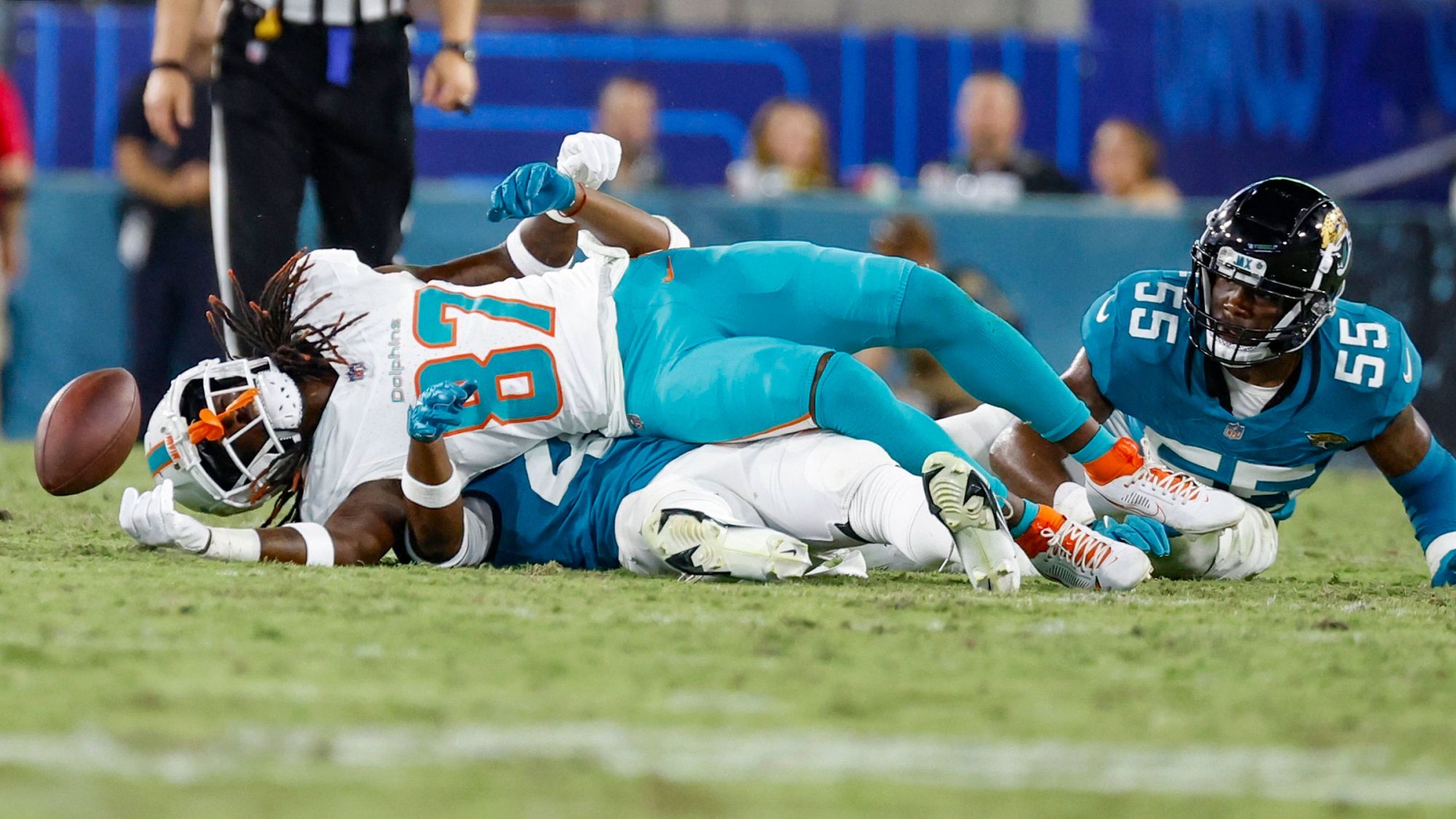
Baseball has long been considered America’s pastime, and despite the growing dominance of the NBA and NFL, Major League Baseball (MLB) continues to thrive. While some argue that baseball’s slower pace makes it less appealing to younger audiences, the league has maintained strong viewership, attendance, and revenue. Here’s why MLB remains highly popular despite fierce competition.
MLB has over a century of history, filled with legendary players like Babe Ruth, Jackie Robinson, and Hank Aaron. Unlike the relatively younger NBA and NFL, baseball carries a deep nostalgia that keeps generations of fans engaged. Many families pass down their love for a particular team, making fandom a lifelong commitment.
Unlike the NFL, which thrives on national broadcasts, MLB benefits from strong regional loyalty. Teams like the New York Yankees, Boston Red Sox, and Chicago Cubs have devoted fan bases that consistently support them, whether the team is winning or not. The league’s 162-game schedule ensures constant engagement with local audiences, reinforcing its market presence.
Baseball’s relaxed pace makes it an ideal live sporting event. The ballpark experience—hot dogs, sunny days, and family outings—remains unmatched. Since MLB is the primary sport during the summer, it faces less direct competition from the NFL and NBA, keeping fans engaged.
Recent adjustments, like the pitch clock and expanded playoffs, have made the game faster and more exciting. These innovations cater to younger audiences while keeping traditional fans happy.
Baseball’s popularity in Latin America and Japan continues to grow, creating a diverse international fan base that helps MLB maintain relevance.
Despite changing sports trends, baseball’s strong traditions, regional loyalty, and evolving game structure ensure that MLB remains a dominant force in American sports.